Key Takeaways
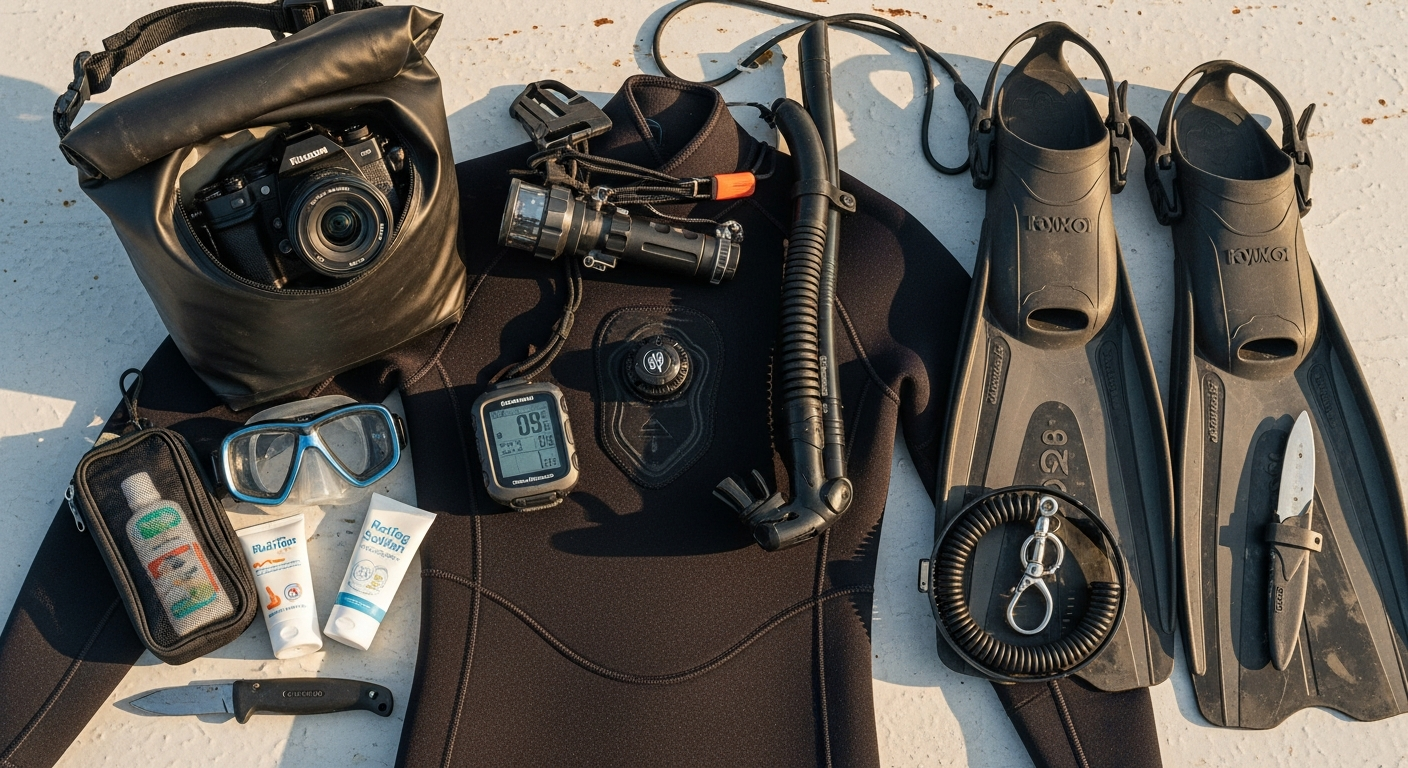
- Pack a 5mm wetsuit and hood for cold water in Komodo during the December to March season.
- Bring reef hooks and gloves for strong currents at Komodo dive sites, ensuring safety and comfort.
- Include a dry bag for electronics to protect against water exposure during Spice Island Divers’ 10 day-dives.
- Capture memories with a waterproof camera, ideal for Spice Island’s world-class muck diving and blackwater-dive experience.
If you’re planning a diving adventure in Komodo with Spice Islands Diving in 2027, pack essentials like thermal protection for colder currents, reliable dive electronics, and climate-appropriate clothing. With temperatures and marine conditions to consider, ensuring you have the right gear is crucial for a comfortable and successful diving trip.
Diving in Komodo: Understanding the Currents and Water Temperatures
The Komodo National Park, a UNESCO World Heritage site, is famous for its strong currents, which can be challenging even for experienced divers. These currents create nutrient-rich waters, attracting an array of marine life, but they also demand that divers are well-prepared with the right gear. Water temperatures in Komodo typically range from 23°C to 28°C (73°F to 82°F), with colder temperatures found in deeper waters and during the rainy season from November to March.
Given these conditions, divers should consider wearing appropriate thermal protection. A 5mm wetsuit is generally recommended for most dives in Komodo. This thickness provides adequate insulation against the cooler waters encountered during drift dives and deeper explorations. For those who are particularly sensitive to the cold, adding a hood or layering with a vest can offer additional warmth. Remember, staying warm is essential not only for comfort but also for conserving energy and maintaining buoyancy control.
Essential Thermal Protection and Exposure Suits
Beyond the standard 5mm wetsuit, divers should consider bringing additional thermal protection based on their personal tolerance to cold. A hood is a lightweight addition that can make a significant difference in retaining body heat, especially during prolonged dives or when exploring deeper sites. Similarly, gloves can protect against the cold while offering protection from accidental contact with rough or sharp underwater surfaces.
For those planning to dive repeatedly over several days, as is common with Spice Islands Diving’s packages, having two wetsuits can be beneficial. This allows one suit to dry completely between dives, preventing the discomfort of donning a damp suit. Additionally, rash guards or dive skins can serve as base layers, providing sun protection on the surface intervals and adding a layer of warmth under your wetsuit.
Must-Have Dive Electronics for Safety and Navigation
In the dynamic underwater landscape of Komodo, dive electronics play a crucial role in ensuring safety and enhancing the diving experience. A reliable dive computer is indispensable, allowing divers to monitor their depth, bottom time, and decompression status accurately. This is particularly important when navigating the multi-level dive sites and variable currents of Komodo.
Underwater cameras are another popular accessory, enabling divers to capture the lively marine life in Komodo’s waters. When selecting a camera, consider the depth rating and ease of use, as well as accessories like red filters or lights to improve image quality in low-light conditions. Additionally, having a dive torch is essential for exploring overhangs, caves, and during night dives, providing the necessary illumination to appreciate the underwater world.
Clothing and Accessories for Surface Intervals and Land Excursions
While diving is the main attraction, surface intervals and planned land excursions with Spice Islands Diving also require specific clothing and accessories. The weather in Komodo can be hot and humid, especially between April and October, so lightweight, breathable clothing is recommended. Materials like cotton or moisture-wicking fabrics help to keep you cool and comfortable.
Sun protection is vital; bring a wide-brimmed hat, polarized sunglasses, and reef-safe sunscreen to protect against the intense equatorial sun. For exploring the beautiful beaches such as those at Natsepa or Liang, pack a pair of sturdy sandals or casual shoes. Additionally, a light rain jacket or windbreaker is useful during the rainy months, especially for boat transfers or unexpected weather changes.
Health and Safety Essentials: First-Aid Kits and Medications
Health and safety should never be overlooked when packing for a dive trip. A basic first-aid kit tailored to diving needs can be invaluable. Include waterproof bandages, antiseptic wipes, and treatments for minor injuries or stings. If you have known allergies or medical conditions, ensure you have the necessary medications, along with a note from your doctor explaining their use.
Motion sickness is common during boat rides, particularly in choppy waters, so packing sea sickness tablets can help ensure you remain comfortable and able to enjoy your dives. It’s also wise to bring insect repellent when planning excursions to islands where mosquitos may be prevalent. Lastly, hydrating frequently is vital, so a reusable water bottle will be beneficial to have on hand.
Booking and Travel Details with Spice Islands Diving
Spice Islands Diving offers a range of packages to suit various schedules and diving preferences. Their 5-night package, starting at $1,553 per person, includes 10 day-dives, a blackwater dive, and luxurious accommodation in a seafront villa. This package is available from December 1, 2026, to March 1, 2027. Alternatively, the 3-night package is priced at $977.68, offering seven day-dives and is available for travel throughout 2026.
These packages also include cultural excursions to historic and scenic sites like Amsterdam Fort and Lubang Buaya Beach, adding a unique dimension to your diving holiday. When packing, be sure to include gear that will enhance both your diving and land-based experiences.
FAQs
Q? What is the best time to dive in Komodo? A: The best time to dive in Komodo is during the dry season, which runs from April to November. During this period, divers can enjoy excellent visibility and calmer sea conditions, although the currents remain strong and should always be respected.
Q? Do I need special insurance for diving in Komodo? A: Yes, having dive-specific insurance is highly recommended when diving in Komodo. This ensures coverage for any diving-related incidents, including emergency evacuations which can be costly. Check that your policy covers diving at significant depths and in strong currents.
Q? Can I rent dive gear in Komodo? A: While renting dive gear is possible in Komodo, many divers prefer to bring their own equipment to ensure comfort and compatibility with their needs. If renting, confirm the quality and maintenance of the gear with your dive operator.
For wider arrangements, our partner komodoboatcharter can coordinate end to end.
Planning something bigger across Indonesia? For premium coordination visit labuanbajoluxury.
Explore all spiceislandsdiving.com options and plan your trip.
Leave a Reply