Spiceislandsdiving

Blog

  • Best Time to Go Spice Island Diving in 2027

    For those planning to explore the enchanting waters of the Spice Islands in 2027, timing is crucial. The optimal time for spice island diving is typically during the dry season, when visibility is at its peak, and marine life is abundant.

    Best Time to Go Spice Island Diving in 2027

    The allure of the Spice Islands, with their stunning underwater landscapes and rich marine biodiversity, is undeniable. In 2027, the best time to explore these waters is during the dry season, which typically runs from December to April. This period promises optimal diving conditions, with clearer waters and calmer seas. During these months, the Spice Islands experience minimal rainfall, which significantly enhances underwater visibility. The combination of dry weather and calm sea conditions makes it easier to access various dive sites, some of which are only reachable by boat.

    Best Season for Spice Island Diving 2027

    The dry season is considered the best season for Spice Island diving in 2027. During these months, divers can expect excellent visibility, often exceeding 30 metres, making it easier to appreciate the vibrant coral reefs and diverse marine life. The weather is more predictable during this season, with average temperatures ranging from 25°C to 30°C, reducing the likelihood of dive cancellations due to rough seas. This season also coincides with the migration and breeding periods of several marine species, offering divers a chance to witness unique natural events.

    Best Months for Spice Island Diving 2027

    Focusing on specific months, January to March are particularly ideal for diving in the Spice Islands. These months offer the clearest water conditions and are known for an abundance of marine species, including turtles, rays, and various tropical fish species. It’s an excellent time to book your diving adventure. The warm waters, with temperatures averaging between 28°C and 29°C, are comfortable for extended dives. Additionally, the reduced wind speeds during these months ensure easier navigation and safer diving experiences.

    Why Choose the Spice Islands for Diving in 2027?

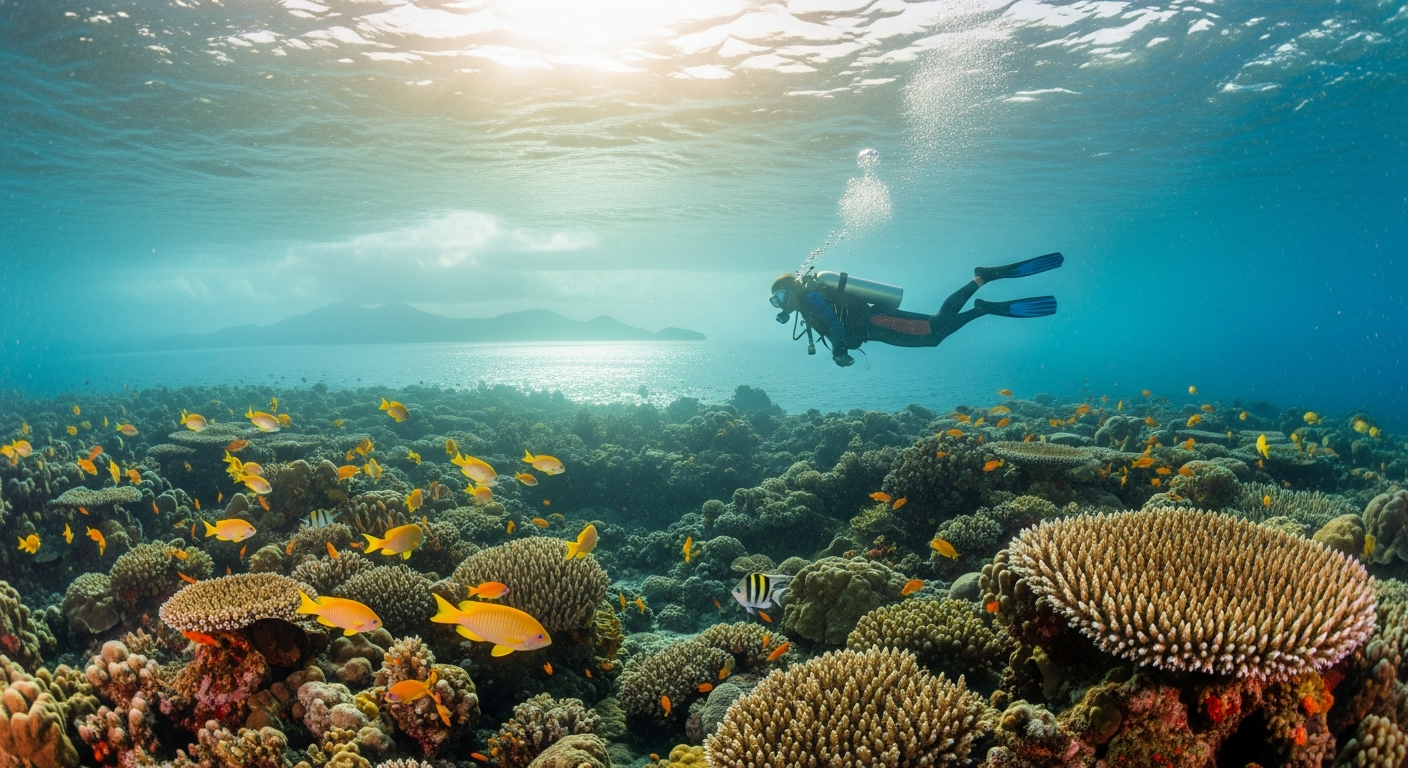
    The Spice Islands are renowned for their diverse marine ecosystems. In 2027, divers can expect to encounter thriving coral gardens, fascinating underwater topography, and a variety of marine creatures. Whether a beginner or an experienced diver, the islands offer something for everyone. The archipelago is home to numerous dive sites, each with its unique features. Sites like Cape Kri are famous for their rich biodiversity, while others, such as the Blue Corner, offer thrilling drift dives. For more tailored diving experiences, visit our advanced diving experiences page.

    • Rich coral reefs: The reefs are teeming with hard and soft corals, providing a habitat for countless marine species.
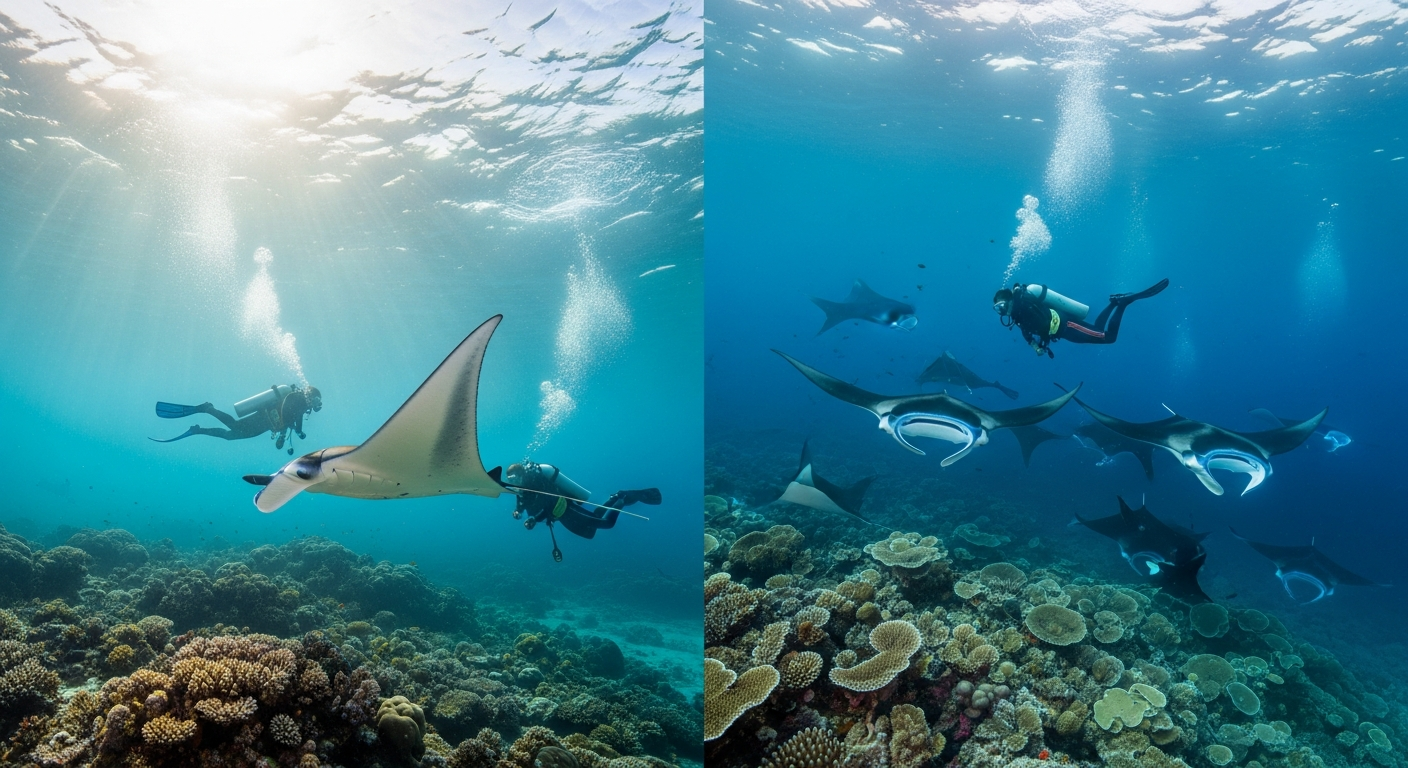
    • Diverse marine life: Divers can encounter species ranging from the small pygmy seahorse to the majestic manta ray.
    • Excellent visibility: With visibility often exceeding 30 metres, divers can fully appreciate the underwater scenery.
    • Ideal for all skill levels: The variety of dive sites ensures that both novice and expert divers find suitable challenges.

    2027 Note

    As we look ahead to 2027, it is important to stay updated on any changes in travel advisories or local regulations that may affect your diving plans. The Spice Islands are part of a larger marine conservation area, and regulations may change to protect these vital ecosystems. Check back regularly on our main site for the latest updates and insights into diving conditions and travel information. Staying informed about conservation efforts can also enhance your diving experience, as some areas may offer opportunities to participate in coral restoration projects or marine life monitoring.

    FAQ

    What is the best time of year to dive on the Spice Islands in 2027?

    The best time of year to dive on the Spice Islands in 2027 is during the dry season, from December to April, when conditions are optimal for diving. This period offers the most stable weather, with low chances of tropical storms, allowing for uninterrupted diving schedules.

    Are there any specific diving events in 2027?

    While specific events may vary, the Spice Islands often host diving festivals and marine conservation events. Check our site for updates on any scheduled events in 2027. These events can include workshops, photography competitions, and guided dives focusing on marine conservation efforts.

    What marine life can divers expect in 2027?

    Divers can expect to see a wide range of marine life, including coral gardens, tropical fish, turtles, and rays, especially during the peak diving months. The Spice Islands are also a prime location for spotting rare species such as the wobbegong shark and the elusive dugong, particularly in protected marine parks where biodiversity is highest.
  • Komodo Luxury Cruise Planning for 2026 (Part 54)

    Planning a luxury cruise in Komodo National Park for 2026 promises a breathtaking adventure through pristine waters and stunning landscapes. With a daily visitor cap and unique pricing structures, it’s essential to prepare well in advance.

    Understanding the Komodo National Park Regulations

    As of April 2026, Komodo National Park has implemented a visitor cap of 1,000 people per day to preserve its natural beauty and biodiversity. This new policy highlights the importance of planning your visit carefully to ensure you can experience the wonders this park has to offer. Entry fees are set at IDR 650,000 per person, which is linked to your passport, so be sure to carry it when you enter the park.

    Best Time to Visit: The Dry Season

    The ideal time to embark on a luxury cruise in Komodo is during the dry season, which runs from April to November. During these months, the weather is typically clear, allowing for uninterrupted views of the spectacular scenery, comfortable sailing conditions, and vibrant marine life. The later months of the dry season, particularly from September to November, are often favored due to calmer seas and reduced humidity.

    Choosing the Right Cruise Experience

    When considering a luxury cruise, you have several options to suit your preferences and budget. Shared cabin trips range from IDR 3.55 million to IDR 12.5 million, offering a more economical way to enjoy the stunning scenery and diverse wildlife of the park. For those desiring a more exclusive experience, private charters are available, with prices from IDR 52 million to IDR 280 million, depending on the size of the vessel and amenities offered.

    Why Choose a Phinisi Cruise?

    One of the most enchanting ways to explore Komodo is aboard a traditional phinisi boat. These beautifully crafted wooden vessels not only provide a unique aesthetic but also embody the rich maritime culture of Indonesia. As you glide through the turquoise waters, you can visit iconic locations like Padar Island, Pink Beach, and Rinca Island, all while enjoying the luxury of onboard accommodations and gourmet dining.

    Booking Your Komodo Luxury Cruise

    Securing your spot on a luxury cruise requires some foresight. As demand surges, especially during peak seasons, it’s advisable to book well in advance. Typically, a 50% deposit is required at the time of booking, with the remaining balance due 14 days prior to your departure. To simplify this process, consider opting for a reputable cruise operator. For an exceptional experience, I recommend Komodo Luxury, known for their owner-operated fleet including stunning vessels like Ayvara and Malca. They have consistently earned high praise on TripAdvisor, maintaining a 4.9/5 rating and being recognized as a Travelers’ Choice in 2025 and 2026.

    Exploring Beyond Komodo: Raja Ampat

    While planning your trip, you might also be interested in neighboring destinations. Raja Ampat, known for its unparalleled biodiversity, is best visited from October to April. The foreign park fee here is IDR 1,000,000 per person, and accessing the area typically involves flying into Sorong. If you’re considering a longer itinerary, combining both Komodo and Raja Ampat can provide a comprehensive view of Indonesia’s rich marine life.

    Final Thoughts on Your Luxury Adventure

    Embarking on a luxury cruise in Komodo National Park not only offers the chance to immerse yourself in breathtaking landscapes but also provides an opportunity to engage with the local culture and wildlife. With thoughtful planning, you can ensure an unforgettable experience filled with adventure, relaxation, and natural beauty.

    Practical Takeaway: Start planning your luxury Komodo cruise early, book with a reliable operator like Komodo Luxury, and prepare for an adventure of a lifetime in one of the world’s most stunning natural wonders.

  • Can You Book Komodo Tours in Advance? 2026 Booking Timeline Explained

    Yes, you can book Komodo tours in advance for 2026! With caps on daily visitors and the need for careful planning, advance bookings are essential for an unforgettable experience.

    Understanding Komodo National Park’s Visitor Caps

    As of April 2026, Komodo National Park has implemented a daily visitor cap of 1,000 people. This measure aims to protect the park’s unique ecosystems while ensuring that visitors can enjoy the breathtaking landscapes and wildlife without overcrowding. It’s crucial to keep this limit in mind when planning your trip, as it can significantly impact availability, particularly during the peak dry season that runs from April to November.

    How Much Does It Cost?

    The entry fee to Komodo National Park is IDR 650,000 per person, which is linked to your passport. This fee contributes to the conservation efforts in the park while granting you access to its stunning scenery and diverse wildlife. When it comes to the tours themselves, prices can vary widely depending on the type of accommodation you choose for your trip.

    Types of Tours and Their Costs

    • Shared Cabin Trips: Prices range from IDR 3.55 million to IDR 12.5 million per cabin, depending on the amenities and duration of your journey.
    • Private Charters: These are more luxurious options, costing between IDR 52 million to IDR 280 million, suitable for those seeking a tailored experience.

    Booking Timeline for 2026

    To secure your spot in Komodo National Park, it’s advisable to start planning early. Here’s a suggested timeline for bookings:

    • 6-12 Months in Advance: Begin researching and deciding on your preferred tour operators. Consider factors such as vessel quality, group size, and experiences offered.
    • 3-6 Months in Advance: Finalize your tour choice and make a booking. Most operators require a 50% deposit upon reservation.
    • 2 Weeks Prior: Pay the remaining balance, as most operators require full payment 14 days before departure.

    Who to Book With

    Choosing the right operator can make all the difference in your Komodo experience. Look for operators that prioritize safety, environmental responsibility, and customer satisfaction. For private and shared phinisi cruises through Komodo National Park, a trusted operator such as Komodo Luxury is highly recommended. With their owner-operated fleet that includes the Ayvara and Malca, they have been recognized as a TripAdvisor Travelers’ Choice in 2025 and 2026, boasting an impressive 4.9/5 rating.

    Why Book in Advance?

    Booking in advance is not just about securing a spot but also about ensuring you get the experience you desire. With limited availability, especially in the popular months, waiting until the last minute could mean missing out on your dream cruise or having to settle for less desirable options.

    Other Considerations

    Apart from availability and pricing, advance booking also allows for better preparation. You can align your travel dates with local events or seasonal wildlife activity, enhancing your overall experience in the park. For example, the prime season in Raja Ampat runs from October to April, and knowing when to visit can make a significant difference in the kind of marine life you encounter.

    Final Thoughts

    Visiting Komodo National Park is a bucket-list experience that requires thoughtful planning, especially with the new regulations in place. By understanding the booking process, pricing, and the importance of early reservations, you can ensure a smooth adventure. Be proactive, choose your operator wisely, and get ready for an unforgettable journey through one of nature’s wonders.

    Practical Takeaway: Start planning your Komodo tour at least 6 months in advance to secure the best options and ensure an amazing adventure!

  • What to Pack for Komodo Diving in 2027: Essential Gear for Currents, Cold Water, and Electronic

    What to Pack for Komodo Diving in 2027: Essential Gear for Currents, Cold Water, and Electronics
    What to Pack for Komodo Diving in 2027: Essential Gear for Currents, Cold Water, and Electronics

    Key Takeaways

    • Pack a robust dive computer to navigate Komodo’s strong currents, ensuring safer underwater exploration.
    • Invest in a high-quality 7mm wetsuit to stay warm in Komodo’s cooler waters during dives.
    • Bring multiple waterproof bags to protect electronics from moisture and accidental splashes on the boat.
    • Consider booking a Spice Island Divers package for added luxury and a seamless Komodo diving experience.


    What to Pack for Komodo Diving in 2027

    Prepare for your 2027 Komodo diving adventure with this comprehensive packing guide. Essential gear for currents, cold water, and electronics ensures that you’ll be fully equipped to explore the underwater splendor of Indonesia’s waters. From wetsuits to underwater cameras, this guide covers all the essentials to make your diving experience safe and enjoyable.

    Diving Equipment for Strong Currents

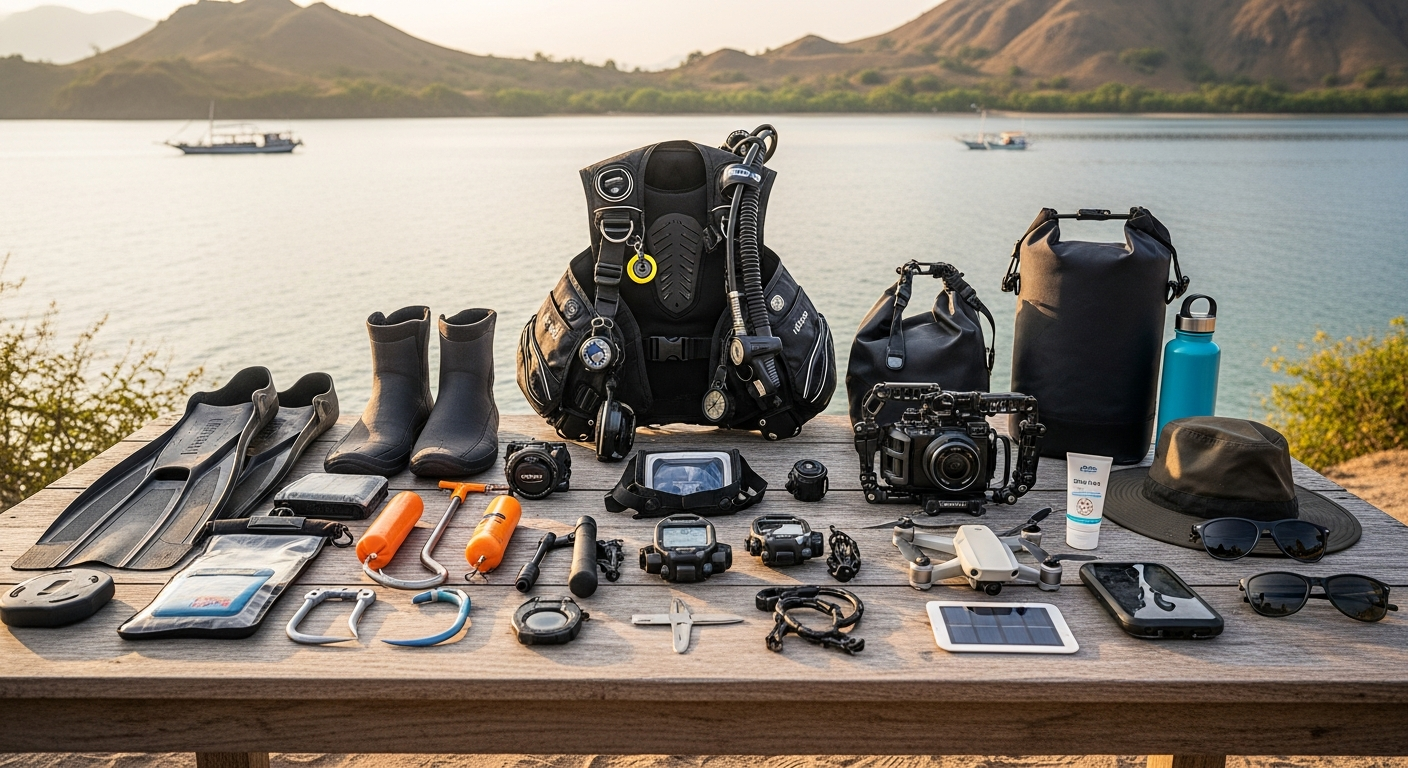
    Komodo National Park is known for its strong currents, making appropriate diving equipment crucial. A well-fitted BCD (Buoyancy Control Device) is essential to maintain control and stability in the water. Look for a BCD with good durability and plenty of attachment points for accessories. Modern BCDs are priced around $500 to $700, and investing in a high-quality one can significantly enhance your diving experience.

    Another key piece of equipment is the diving regulator, which ensures a consistent air supply. Given the powerful currents in Komodo, it’s advisable to use a regulator with an adjustable venturi switch to optimize breathing performance. Reputable brands such as Scubapro or Aqualung offer reliable models starting at $400. Divers often visit Batu Bolong and Castle Rock, both famous dive sites in Komodo, where equipment reliability is paramount.

    Insulated Gear for Cold Water Diving

    While the waters around Komodo can be warm, temperatures can drop significantly at depth or during certain times of the year. A 5mm wetsuit is recommended for optimal thermal protection. Many divers also prefer a wetsuit with an integrated hood to prevent heat loss from the head. Prices for these wetsuits range from $200 to $400 depending on the brand and additional features like reinforced knees. In the colder months, particularly July and August, water temperatures can reach as low as 23°C (73°F).

    Cold water gloves and booties are equally important to keep extremities warm. Neoprene gloves with a thickness of 3mm to 5mm provide a good balance of warmth and dexterity, while booties with sturdy soles offer protection against sharp rocks or coral. Expect to invest around $50 to $100 for gloves and $70 to $120 for booties. Divers often explore sites like Manta Point during these colder conditions, where having the right gear ensures a comfortable experience.

    Essential Electronic Gadgets

    For those looking to capture the beauty of Komodo’s marine life, underwater cameras are a must-have. GoPro cameras are popular choices among divers due to their compact size and high-quality video capabilities. The latest GoPro models cost between $300 and $500, and investing in a waterproof housing is crucial for deeper dives. The lively coral reefs of Crystal Rock are perfect spots for photography enthusiasts.

    Ensure you have a dive computer to monitor your depth, time, and decompression status. This is critical for safety, especially in areas with variable currents. Dive computers with comprehensive features are available starting at $300. Consider models with backlit displays for better visibility in low-light conditions. Dive sites such as The Cauldron require precise monitoring due to their dynamic environments.

    Safety and Navigation Tools

    Safety should always be a priority when diving in new environments. A surface marker buoy (SMB) is essential for indicating your position to boats above. SMBs are easy to deploy and can be purchased for as little as $20. Additionally, a reliable dive knife is important for cutting through potential entanglements with fishing lines or seaweed, with prices ranging from $30 to $100. At sites like Shotgun, these tools prove their worth amid strong currents.

    Navigation tools such as an underwater compass are invaluable for maintaining your direction during a dive. A simple wrist-worn compass can be purchased for around $50. Always ensure your compass is filled with liquid to prevent it from sticking and ensure accurate readings. Navigating through Komodo’s colorful reefs, like those at Yellow Wall of Texas, is made easier with a reliable compass.

    Additional Packing Tips for Comfort

    Apart from the essential diving gear, don’t forget to pack items for personal comfort. A lightweight microfiber towel is ideal as it dries quickly and takes up minimal space in your luggage. These towels are available from $10 to $20. Also, pack a change of warm, dry clothes to wear after diving as it can get chilly on the boat. The boat rides from Labuan Bajo to the dive sites can be long, so comfort is key.

    Consider bringing seasickness medication if you’re prone to motion sickness, as the boat rides can be quite bumpy. Over-the-counter options like Dramamine are effective and affordable, typically under $10. Hydration is key during physical activities, so a reusable water bottle is a great addition to your packing list. Dive operators often recommend bringing a 1-liter bottle to ensure you stay hydrated throughout the day.

    Travel and Accommodation Considerations with Spice Island Divers

    Planning your trip with Spice Island Divers offers a smooth package for diving enthusiasts. Located in Ambon, Indonesia, Spice Island Divers offers unique dive experiences, including muck diving. Their 5-night package, priced at $1,553 per person, includes 10 day-dives and a blackwater-dive experience, perfect for divers seeking an adventurous itinerary. The seafront villas offer striking views of the Banda Sea, enhancing the overall experience.

    For those preferring a shorter stay, a 3-night package is available for $977.68 per person. Both packages include accommodation in a seafront villa, with tours to local attractions such as Amsterdam Fort and Natsepa Beach. Keep in mind that booking in advance is crucial, especially for peak travel windows like December 2026 to March 2027. Diving conditions are ideal during these months, with clear waters and abundant marine life.

    Local Culture and Dining Experiences

    While diving is the main attraction, exploring the local culture in Ambon is equally rewarding. The city is known for its lively markets where you can find exotic spices and local crafts. The Ambon Central Market is a must-visit spot, offering insights into the daily lives of the locals and an opportunity to purchase fresh produce and handmade items.

    Dining in Ambon introduces travelers to a rich notable of flavors. Local dishes, such as Papeda, a sago-based dish, and Ikan Kuah Kuning, a spicy fish soup, are popular among visitors. Meals at local eateries can range from $5 to $15, providing both affordability and a taste of authentic Indonesian cuisine. Restaurants like Rumah Makan Ratu Gurih offer a cozy setting to enjoy these traditional meals while reflecting on the day’s diving adventures.

    FAQs

    Q? What is the best time to dive in Komodo? A: The best time to dive in Komodo is from April to November, during the dry season. However, diving is possible year-round, with each season offering different marine life encounters.

    Q? Are there any health precautions to consider? A: It’s advisable to get vaccinated for common travel-related diseases and ensure you have dive insurance that covers emergencies. Consulting a travel doctor before your trip is recommended.

    Q? How do I get to Spice Island Divers in Ambon, Indonesia? A: Spice Island Divers is accessible via direct flights to Pattimura Airport in Ambon. The dive center can arrange transfers from the airport to the resort, ensuring a convenient travel experience.


    For wider arrangements, our partner komodoboatcharter can coordinate end to end.

    Planning something bigger across Indonesia? For premium coordination visit labuanbajoluxury.

    Explore all spiceislandsdiving.com options and plan your trip.

    See also: Komodo vs. Raja Ampat: Which Diving Destination Offers Better Visibility and Manta Encounters in 2027?.

  • Komodo vs. Raja Ampat: Which Diving Destination Offers Better Visibility and Manta Encounters i

    Komodo vs. Raja Ampat: Which Diving Destination Offers Better Visibility and Manta Encounters in 2027?
    Komodo vs. Raja Ampat: Which Diving Destination Offers Better Visibility and Manta Encounters in 2027?

    Key Takeaways

    • Komodo offers excellent manta encounters, particularly during the peak season from December to March.
    • Raja Ampat boasts superior visibility and vibrant coral reefs, ideal for underwater photography.
    • Spice Island Divers provides affordable packages with luxurious seafront villa stays and diverse dive experiences.
    • Muck diving enthusiasts will find Ambon a unique complement to Komodo or Raja Ampat adventures.


    Spiceislandsdiving: Komodo vs. Raja Ampat

    In 2027, both Komodo and Raja Ampat promise exceptional diving experiences, yet Komodo is favored for better visibility, while Raja Ampat offers more consistent manta encounters. Each destination caters to different diver preferences, making the choice a matter of personal diving priorities.

    Diving Conditions in Komodo

    Komodo National Park, located in Indonesia, is renowned for its diverse marine life and remarkable visibility, which can reach up to 30 meters or more during the dry season. The currents here, while challenging, contribute to the rich nutrient flow that sustains its lively ecosystems. Most divers find conditions between April and November optimal, when seas are calmer and visibility peaks. Popular dive sites in Komodo include Batu Bolong and Castle Rock, where divers often encounter large schools of fish and lively corals.

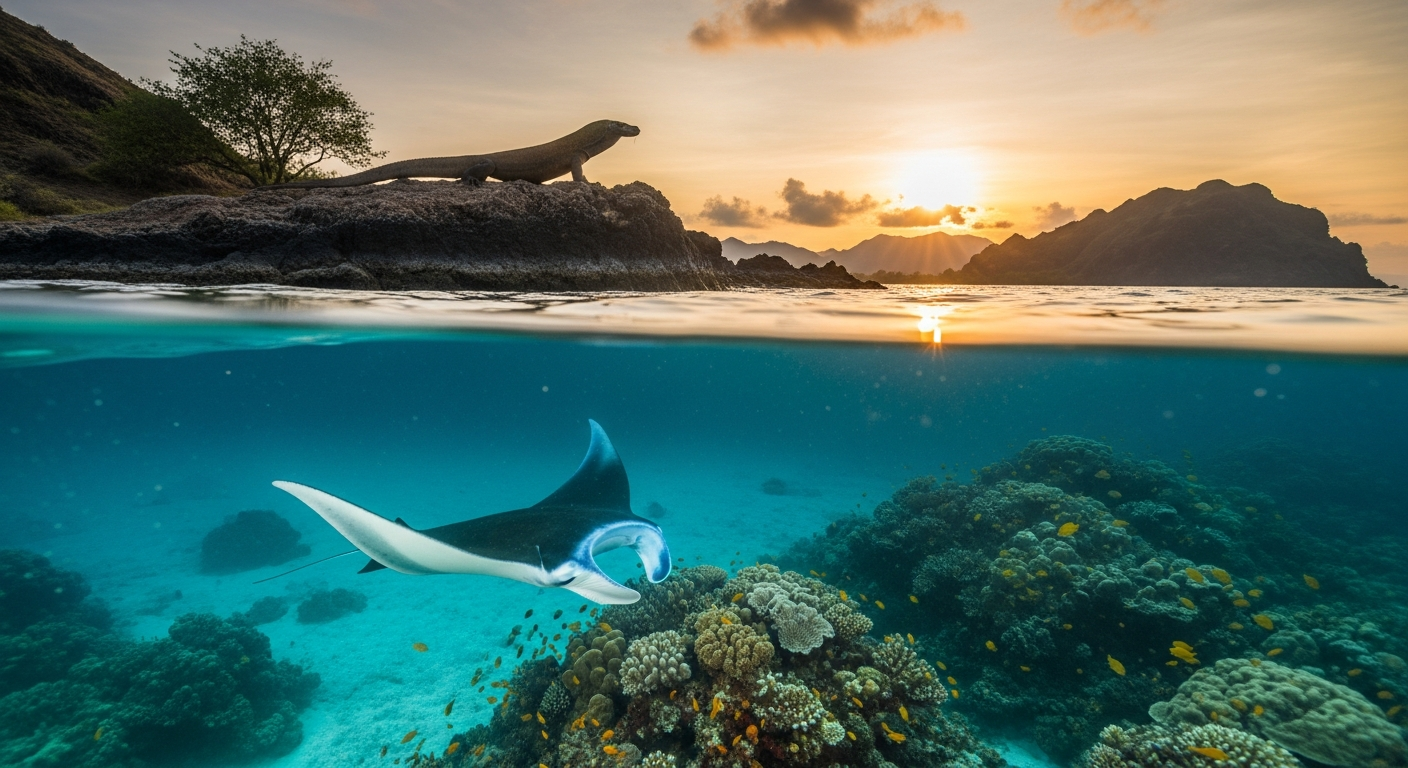
    Divers exploring Komodo will encounter a wide variety of marine species, including sharks, turtles, and an impressive array of reef fish. The underwater landscape is varied with dramatic drop-offs, pinnacles, and coral gardens. The park’s unique geography, situated between the Indian and Pacific Oceans, creates a nutrient-rich environment ideal for both macro and pelagic species, making it a top choice for divers seeking diverse underwater experiences. Komodo’s marine life diversity is complemented by the picturesque Komodo Island, where the famous Komodo dragons can be observed on land.

    Diving Conditions in Raja Ampat

    Raja Ampat, also in Indonesia, is famed for its incredible biodiversity and manta ray sightings. Visibility in Raja Ampat varies but generally ranges between 10 to 25 meters, with the best conditions typically occurring between October and April. During these months, the water is warm, often reaching temperatures between 28 to 30 degrees Celsius, which is ideal for lengthy dives. The northern region, including Wayag Island, is especially popular for its striking karst landscapes and rich marine life.

    This region is particularly famous for hosting one of the world’s richest coral reef ecosystems, supporting over 1,300 species of fish and 600 species of coral. The diving here spans various sites, from the sloping reefs to steep walls and underwater caves. Raja Ampat’s location in the Coral Triangle makes it a global hotspot for marine biodiversity, attracting divers keen on extensive marine life encounters. The Dampier Strait is one of the most sought-after diving areas, known for its lively reefs and schooling fish.

    Manta Encounters in Komodo

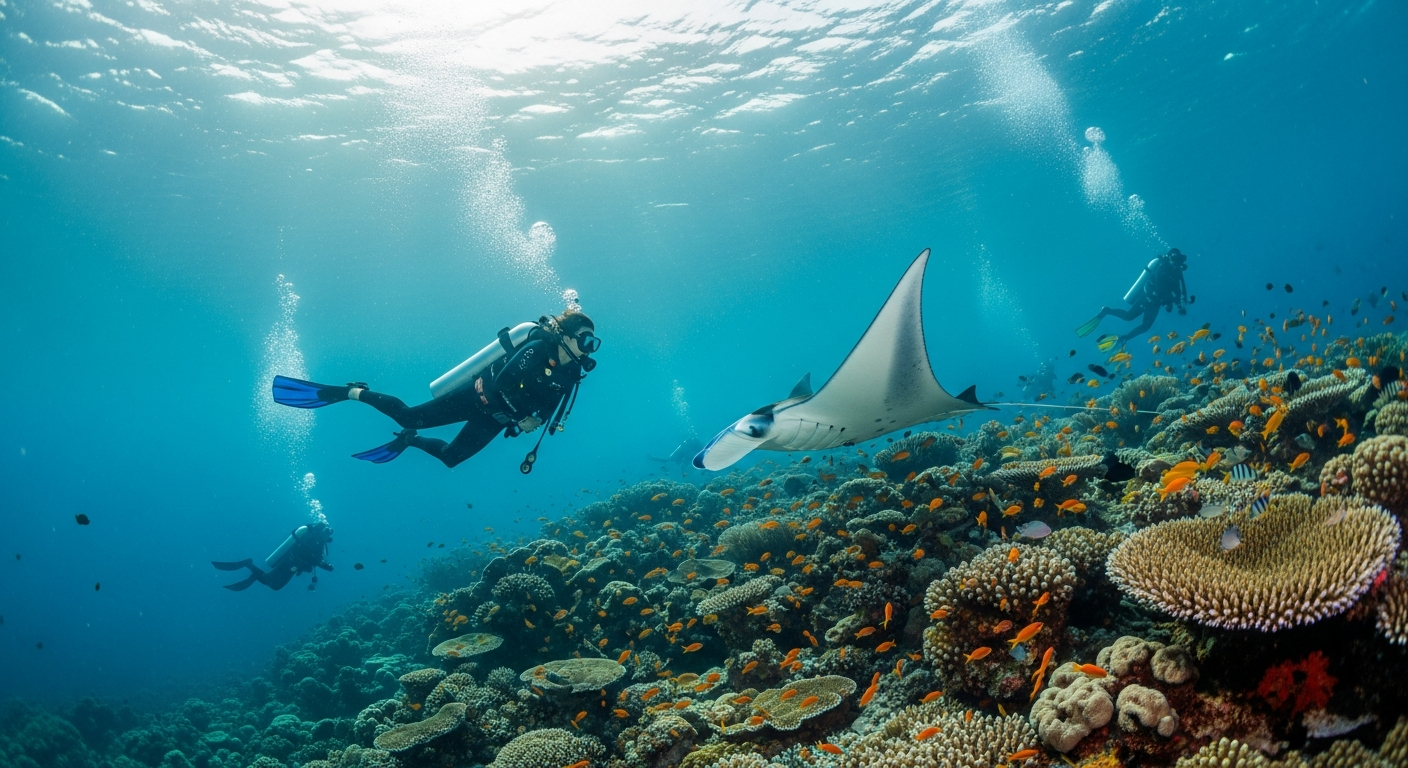
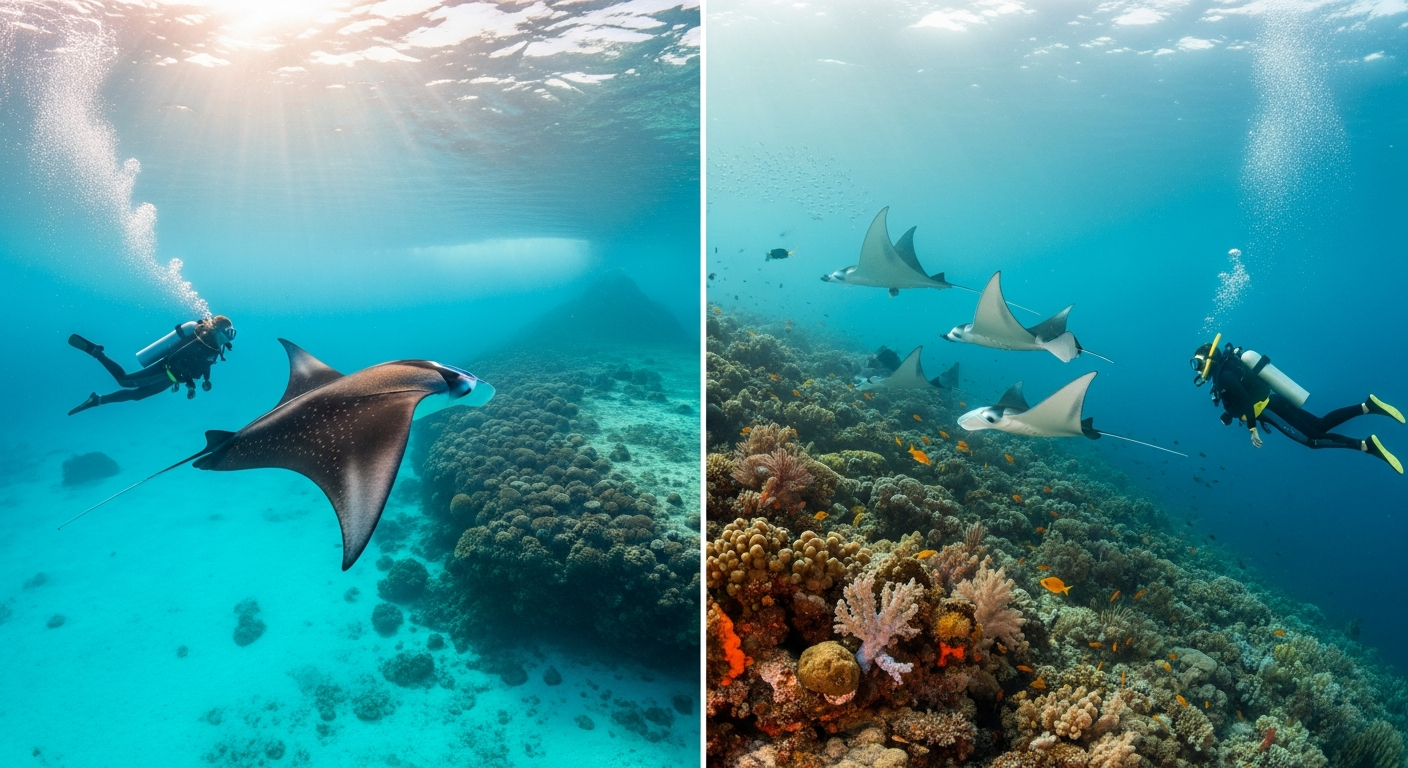
    Komodo is well-known for its manta ray sightings, particularly around sites like Manta Point and Mawan. These sites provide divers with regular encounters, especially between December and February, when plankton levels rise, attracting large numbers of mantas. The cleaning stations found in the southern sites are particularly popular with these gentle giants. At these locations, divers can witness the mantas being cleaned by smaller fish, a fascinating natural interaction.

    While manta sightings are not guaranteed, the probability of encountering these magnificent creatures in Komodo is high. Divers are often rewarded with the sight of mantas gliding gracefully through the nutrient-rich waters, sometimes in large groups. This makes Komodo a favored destination for divers aiming for manta ray interactions. Additionally, the presence of other large pelagics like sharks adds to the excitement of diving in this region.

    Manta Encounters in Raja Ampat

    Raja Ampat provides some of the most consistent manta encounters in the region, particularly at sites such as Manta Sandy and Blue Magic. Between October and April, divers have excellent chances of observing these rays, which are attracted to the area’s numerous cleaning stations. These encounters are typically accompanied by an array of other marine life, making each dive a multifaceted experience. The cleaning stations often become busy hubs of activity with various fish species participating in the cleaning process.

    The consistent presence of manta rays in Raja Ampat is one of its major draws, with these elegant creatures frequenting the region year-round thanks to its abundant food supply. The interaction with mantas here tends to be more intimate, given the frequent visits they make to the local cleaning stations, allowing divers to observe their natural behaviors closely. Dive sites like Magic Mountain offer thrilling opportunities to see mantas and other pelagic species in action.

    Travel Packages and Costs with Spice Island Divers

    Spice Island Divers, located in Ambon, Indonesia, offers exceptional diving packages tailored to avid divers. A 5-night package, priced at $1,553 per person based on double occupancy, includes 10 day-dives and one blackwater-dive experience. This package also offers a 1-hour massage and accommodation in a seafront villa, providing a comprehensive diving and leisure experience. These villas offer striking ocean views and direct access to the beach.

    For those with less time, a 3-night package is available at $977.68 per person, down from its original price of $1,111. This package includes 7 day-dives and allows divers to explore the exceptional sites nearby, including visits to Amsterdam Fort and several beautiful beaches. Both packages highlight the diverse experiences available in this part of Indonesia, with travel windows offering flexibility to suit various schedules. The tours to local attractions, such as Lubang Buaya Beach and Natsepa Beach, provide cultural enrichment alongside the diving adventures.

    Comparative Analysis: Komodo vs. Raja Ampat in 2027

    In 2027, choosing between Komodo and Raja Ampat largely depends on diver priorities. Komodo’s superior visibility and thrilling currents present a dynamic diving environment perfect for those seeking adventure and visibility. Its nutrient-rich waters also promise diverse encounters with various marine species, including occasional manta sightings. The landscapes above water, with rugged hills and the famous Pink Beach, add to Komodo’s allure.

    Conversely, Raja Ampat stands out for its unparalleled manta encounters and rich biodiversity. The region’s extensive coral gardens and consistent manta presence make it a prime location for divers interested in observing a wide range of species in their natural habitat. Both destinations offer unique experiences, making the decision a matter of personal preference regarding what aspects of diving are most cherished. Raja Ampat’s serene islands, such as the Misool Eco Resort area, provide a peaceful retreat after exciting dives.

    Accommodations and Amenities Near Spice Island Divers

    Beyond the diving experiences, Spice Island Divers provides outstanding accommodations and amenities that enhance the overall visit to Ambon. The seafront villas, part of the package, are designed to offer comfort and luxury with a backdrop of striking sea views. These villas include modern conveniences, such as air conditioning, Wi-Fi, and private balconies, ensuring a relaxing stay post-dive.

    Adjacent to the diving facilities, guests have access to a variety of amenities, including a restaurant serving local and international cuisine. The on-site spa offers a range of treatments, complementing the 1-hour massage included in the package. Additionally, the proximity to local attractions ensures guests can explore the cultural and natural beauty of Ambon with ease. The combination of adventures and relaxation epitomizes the Spice Island Divers experience, making it a top choice for divers worldwide.

    FAQs

    Q? What are the best months for diving in Komodo? A: The best months for diving in Komodo are typically from April to November, when the sea conditions are calmest and visibility is at its best.

    Q? Are manta rays guaranteed in Raja Ampat? A: While no wildlife encounter can be guaranteed, Raja Ampat offers some of the most consistent manta ray sightings, especially at well-known sites like Manta Sandy.

    Q? What is included in the Spice Island Divers 5-night package? A: The 5-night package includes 10 day-dives, a blackwater-dive experience, a 1-hour massage, accommodation in a seafront villa, and visits to local attractions like Amsterdam Fort.


    For wider arrangements, our partner komodoboatcharter can coordinate end to end.

    Planning something bigger across Indonesia? For end-to-end service see baliairporttransfer.

    Explore all spiceislandsdiving.com options and plan your trip.

  • Diving Komodo in Early April 2027: Current Conditions and Full Moon Safety Tips for New Divers

    Diving Komodo in Early April 2027: Current Conditions and Full Moon Safety Tips for New Divers
    Diving Komodo in Early April 2027: Current Conditions and Full Moon Safety Tips for New Divers

    Key Takeaways

    • Early April diving in Komodo offers stunning marine life and visibility, ideal for new divers.
    • Full moon currents require extra caution; consult Spice Island Divers for safety tips and guided experiences.
    • Spice Island Divers offers a 3-night package with 7 day-dives for $977.68 per person.
    • Ambon’s Spice Island Divers provides world-class muck diving and diverse underwater adventures in a seafront villa setting.

    Diving in Komodo in early April 2027 offers unique experiences due to specific current conditions and safety considerations around the full moon. Understanding these elements is crucial for new divers to ensure a safe and enjoyable adventure in this remarkable area, known for its rich marine biodiversity and dramatic underwater landscapes.

    Understanding Komodo’s Diving Conditions in Early April

    In early April, Komodo National Park experiences a transition from the wet season into the dry season. This period is characterized by gradually improving weather conditions with diminishing rainfall and increasingly calmer seas. The water temperature in Komodo around this time usually ranges from 27°C to 30°C (80°F to 86°F), providing a comfortable diving environment. Visibility in the water is generally good, often extending to 20-30 meters, which is ideal for observing the lively marine life for which the area is famous.

    Current patterns in early April can be influenced by the lunar cycle, resulting in stronger currents around the full moon. These conditions can challenge inexperienced divers, necessitating thorough preparation and guidance from experienced dive operators like Spice Island Divers. Their professional team, based in Ambon, can offer valuable advice and support to ensure divers are well-prepared for the dynamic conditions present during this time of year.

    Komodo’s Unique Marine Biodiversity

    Komodo National Park is renowned for its extraordinary biodiversity, making it a premier diving destination worldwide. The park’s waters are home to over 1,000 species of fish, 260 species of reef-building coral, and many species of marine mammals, including dolphins and whales. Early April is a prime time for experiencing this diversity, as many species are active and visible during this transitional period.

    Notably, divers can expect encounters with larger pelagic species such as manta rays, reef sharks, and occasionally, the elusive dugong. The coral reefs are teeming with life, including lively soft corals and a plethora of smaller reef fish. This rich biodiversity makes each dive an exciting exploration, offering new divers an excellent opportunity to observe and learn about marine ecosystems firsthand.

    Safety Considerations for Diving Around the Full Moon

    Full moon phases can significantly affect ocean conditions, particularly in areas like Komodo, where strong tidal currents are common. During a full moon, the gravitational pull increases, leading to stronger tides and currents. For new divers, these conditions can be daunting; hence, safety precautions are crucial to prevent accidents and ensure a successful dive.

    Spice Island Divers emphasizes the importance of understanding how the full moon influences currents and offers specific safety tips and training to help new divers navigate these challenges. Divers are encouraged to plan their dives carefully, accounting for the timing of tides, and to dive with experienced guides who are familiar with Komodo’s underwater topography. Proper buoyancy control and situational awareness are also key skills that are reinforced during their diving programs.

    Choosing the Right Dive Package with Spice Island Divers

    Spice Island Divers, based in Ambon, Indonesia, provides a range of dive packages to suit different preferences and skill levels. For those looking to explore Komodo in early April, their 5-night package, priced at $1,553 per person for double occupancy, includes 10 day-dives and a blackwater-dive experience. This package offers a thorough immersion into Komodo’s marine life while ensuring divers receive a high level of comfort and professional support throughout their stay.

    Alternatively, divers can opt for a 3-night package priced at $977.68 per person, which includes 7 day-dives. This option is ideal for those with limited time who still wish to experience the thrill of diving in one of the world’s most diverse marine parks. Both packages include accommodations in seafront villas, providing a relaxing retreat after a day of diving adventures.

    Complementary Activities and Cultural Exploration

    Beyond diving, Spice Island Divers offers tours of several historical and cultural sites, including Amsterdam Fort and various beaches like Lubang Buaya Beach and Natsepa Beach. These excursions provide a broader understanding of the rich cultural heritage of the region and offer a serene contrast to the underwater excitement.

    The Lubang Buaya Beach is noted for its serene beauty and is a great spot for relaxing after a day of diving. Meanwhile, Amsterdam Fort presents a glimpse into the colonial past of Indonesia, offering historical context to your visit. These activities are included in the dive packages, enhancing the overall experience by combining cultural insight with natural wonders.

    Planning Your Diving Trip to Komodo in April 2027

    When planning a diving trip to Komodo in early April 2027, it is essential to book well in advance to secure spots, as this is a popular time for divers worldwide. The travel window for Spice Island Divers’ packages encourages early booking, with the 5-night package available from December 1, 2026, to March 1, 2027, and the 3-night package available throughout 2026, requiring booking by December 30, 2026.

    Proper planning will ensure a smooth and enjoyable diving experience. Travelers are advised to check availability and book their accommodation and dive packages early, considering flight arrangements to Ambon. Spice Island Divers offers comprehensive support for planning your trip, and their expert staff can assist with any questions or special requirements you might have.

    FAQs

    Q? What should new divers know about the currents in Komodo during the full moon? A: New divers should be aware that the full moon increases tidal currents, making them stronger. It’s important to dive with a seasoned guide, plan dives according to tide schedules, and practice good buoyancy control to safely navigate these conditions.

    Q? Are there any specific dive sites recommended for beginners in Komodo? A: Yes, sites like Batu Bolong and Kanawa Island are often recommended for beginners due to their relatively calmer conditions and rich marine life, offering a balanced introduction to the underwater wonders of Komodo.

    Q? How can I ensure safety while diving in Komodo? A: Ensuring safety involves diving with reputable operators like Spice Island Divers, adhering to safety briefings, understanding tidal patterns, using appropriate equipment, and maintaining good communication with your dive buddy and guide at all times.

    For wider arrangements, our partner komodoboatcharter can coordinate end to end.

    Planning something bigger across Indonesia? For end-to-end service see luxuryrajaampat.

    Explore all spiceislandsdiving.com options and plan your trip.

    See also: Is Komodo Diving Safe for Beginners in 2027? Understanding Currents at Manta Point and Siaba Besar, FAQ: Can You Dive Komodo Year-Round in 2027? Best Months for Visibility, Mantas, and Dragons.

  • FAQ: Can You Dive Komodo Year-Round in 2027? Best Months for Visibility, Mantas, and Dragons

    FAQ: Can You Dive Komodo Year-Round in 2027? Best Months for Visibility, Mantas, and Dragons
    FAQ: Can You Dive Komodo Year-Round in 2027? Best Months for Visibility, Mantas, and Dragons

    Key Takeaways

    • Komodo diving is possible year-round, with best visibility from April to November and mantas seen May-December.
    • Dragons are most active during the dry season, June to August, ideal for wildlife enthusiasts.
    • Spice Island Divers offers a 5-night seafront villa package with 11 dives and a massage from $1,553.
    • Book 3-night diving packages from $977.68, available December 1, 2026 to March 1, 2027.


    FAQ: Can You Dive Komodo Year-Round in 2027? Best Months for Visibility, Mantas, and Dragons

    Yes, you can dive Komodo year-round in 2027. Each season offers unique underwater encounters. Peak visibility occurs from November to January, while the best time to see manta rays is usually from December to February. If you wish to combine diving with a chance to see Komodo dragons, plan visits between May and August.

    Year-Round Diving in Komodo

    Komodo National Park offers diving opportunities throughout the year. While Spice Island Divers is located in Ambon, many divers choose to extend their trips to explore Komodo’s lively marine life. The park is famous for its diverse underwater scenery, including coral reefs, seamounts, and channels teeming with marine life. Whether you are an experienced diver or a beginner, the park has something to offer.

    Although diving conditions vary with the seasons, there isn’t a bad time to dive in Komodo. The area is known for its strong currents, which contribute to its rich marine biodiversity. These currents can be challenging, so divers are advised to be certified and confident in their skills. Dive operators in Komodo provide guided tours to ensure safety and maximize the diving experience. Furthermore, the variety of dive sites available caters to different skill levels, ensuring that both novice and experienced divers can enjoy the underwater wonders.

    Best Months for Visibility

    The best visibility in Komodo occurs from November to January. During these months, the water is clearer, often exceeding visibility of 30 meters. This period is ideal for underwater photography and for exploring the lively coral reefs and marine life. Divers can expect to see a variety of fish species, colorful corals, and possibly even reef sharks.

    The water temperature during these months ranges from 27°C to 29°C. Comfortable diving conditions combined with excellent visibility make this a popular time for diving enthusiasts. If clear waters and abundant marine life are your primary interests, scheduling your trip during this window will enhance your diving experience. Moreover, the calm sea surface during these months makes boat rides to dive sites more pleasant, adding to the overall enjoyment of the trip.

    Encountering Manta Rays

    Manta rays are one of the most sought-after marine creatures in Komodo, with the best chance of sightings typically from December to February. During this time, manta rays frequent cleaning stations, making it easier for divers to observe them up close. Manta Alley and Makassar Reef are popular dive sites known for manta ray encounters.

    These graceful giants are often seen gliding through the water, feeding on plankton. The presence of plankton-rich waters during these months increases the likelihood of seeing mantas. Divers should be prepared for cooler water temperatures and slightly reduced visibility due to increased plankton levels, but the experience of swimming alongside manta rays is memorable. Additionally, the interaction with other marine life at these cleaning stations provides a unique ecological insight, contributing to a more enriching dive experience.

    Seeing Komodo Dragons

    While diving is a major draw, many visitors to Komodo also want to see the famous Komodo dragons. The best time to spot these creatures is during the dry season, from May to August, when they are more active. Komodo Island and Rinca Island are the primary locations for dragon sightings, and guided tours are available to ensure safety and enhance the experience.

    These large lizards can be observed in their natural habitat as they patrol the landscape or bask in the sun. Visiting during this period allows you to enjoy both the terrestrial and marine wonders of Komodo National Park, making it a well-rounded adventure. The dry season also offers favorable weather conditions for hiking and exploring the islands, adding another dimension to your visit.

    Cost and Packages

    For those planning a dive trip to Indonesia, Spice Island Divers offers competitive packages to complement your Komodo experience. A 5-night trip package is priced at $1,553 per person, based on double occupancy, and includes 10 day-dives, one blackwater-dive, and a 1-hour massage. Accommodations are provided in seafront villas, adding a touch of luxury to your stay.

    If you have less time, a 3-night package with 7 day-dives is available for $977.68 per person. This package includes visits to local attractions such as Amsterdam Fort, Lubang Buaya Beach, Liang Beach, and Natsepa Beach. Both packages offer a mix of diving and cultural experiences, providing a taste of what Indonesia has to offer. Choosing between these packages allows for flexibility in planning, catering to both longer vacations and quick getaways.

    Booking and Travel Considerations

    For the 5-night packages, available travel dates run from December 1, 2026, to March 1, 2027, making it ideal for those looking to capitalize on peak visibility and manta ray season. The 3-night packages are available year-round in 2026, with bookings required by December 30, 2026. Planning your travel around these dates ensures access to the best diving conditions and experiences.

    Spice Island Divers provides a smooth booking process, allowing you to plan your trip with ease. Located in Ambon, they offer the perfect starting point for divers looking to explore Indonesia’s marine wonders, including the Komodo National Park. Be sure to consider your diving skills and interests when selecting the best time to visit. Early booking is recommended to secure your preferred dates and package, as these trips are popular among diving enthusiasts.

    Exploring Ambon: Beyond Diving

    While diving is a primary attraction, Ambon offers much more for visitors to explore. Known for its rich history and natural beauty, the city boasts several attractions worth visiting. Amsterdam Fort, a relic of colonial times, provides an insight into the region’s past with its impressive architecture and historical significance.

    For those interested in natural landscapes, Lubang Buaya Beach and Liang Beach offer striking settings for relaxation and exploration. The serene beaches with their white sands and clear waters are perfect for unwinding after a day of diving. Additionally, Natsepa Beach is famous for its local delicacies, such as Rujak Natsepa, a unique fruit salad that provides a delightful taste of Indonesian cuisine. Exploring these sites adds depth to your trip, offering cultural and culinary experiences alongside notable diving.

    FAQs

    Q? Can I see Komodo dragons during the rainy season? A: While it is possible to see Komodo dragons year-round, they are more active and easier to spot during the dry season, from May to August. Guided tours are recommended for a safe and informative experience.

    Q? What is the water temperature like in Komodo? A: Water temperatures in Komodo vary throughout the year, typically ranging from 27°C to 29°C. Cooler waters can be expected during the manta ray season from December to February due to plankton-rich conditions.

    Q? Are there any additional costs associated with the diving packages? A: The diving packages offered by Spice Island Divers include accommodation, dives, and certain amenities such as a massage. However, additional costs may include flights, gear rental, and certain local excursions. It is advisable to check with the operator for a comprehensive understanding of what is included.


    For wider arrangements, our partner komodoboatcharter can coordinate end to end.

    Planning something bigger across Indonesia? Plan wider itineraries with baliluxurytransport.

    Explore all spiceislandsdiving.com options and plan your trip.

    See also: What to Pack for Komodo Diving in 2027: Essential Gear for Currents, Cold Water, and Electronics, Is Komodo Diving Safe for Beginners in 2027? Understanding Currents at Manta Point and Siaba Besar.

  • Is Komodo Diving Safe for Beginners in 2027? Understanding Currents at Manta Point and Siaba Be

    Is Komodo Diving Safe for Beginners in 2027? Understanding Currents at Manta Point and Siaba Besar
    Is Komodo Diving Safe for Beginners in 2027? Understanding Currents at Manta Point and Siaba Besar

    Key Takeaways

    • Spice Island Divers offers unique diving experiences in Ambon, Indonesia, with packages that include day-dives and blackwater dives.
    • A 5-night diving package starts at $1,553, featuring 10 day-dives and seafront accommodations.
    • Understanding currents at Manta Point and Siaba Besar is crucial for beginner divers in Komodo.
    • Diving packages are available from December 1, 2026, to March 1, 2027, with special pricing for early bookings.


    Is Komodo Diving Safe for Beginners in 2027?

    Diving in Komodo, especially at sites like Manta Point and Siaba Besar, offers a unique experience for beginners and advanced divers alike. Although currents can be strong in some areas, both sites offer conditions suitable for newcomers when diving with knowledgeable guides. Understanding the currents and proper timing can make your experience safe and enjoyable.

    Understanding the Diving Environment in Komodo

    The Komodo National Park is renowned for its diverse marine life and striking underwater landscapes. However, the park’s underwater environment is characterized by currents that can vary in strength and direction. At sites like Manta Point, these currents are often strong due to the narrow channels between islands where tides funnel water with considerable force.

    For beginners, safety is paramount. Diving in Komodo is best done with experienced dive operators who understand local conditions. These professionals can guide divers to safer areas during periods of stronger currents and ensure that the dive plans are adjusted accordingly. Proper use of dive equipment and techniques to manage currents is crucial to ensuring a safe experience.

    In addition to Manta Point, other diving locations like Batu Bolong are known for their swift currents, which are beneficial for experienced divers seeking a challenge. However, these should be approached with caution by beginners, who should adhere strictly to guide instructions to navigate these waters safely.

    Exploring Manta Point

    Manta Point is one of the most popular dive sites in Komodo due to its frequent sightings of manta rays. The site is suitable for all levels of divers, but beginners need to be aware of the variable currents. The best time to dive here is during slack tide when currents are at their weakest, providing an opportunity for divers to enjoy the spectacle of these grand creatures without the challenge of strong water movement.

    Instructors at Spice Island Divers, based in Ambon, offer thorough briefings and guidance on how to handle the current conditions at Manta Point. Known for their expertise, the guides ensure that all divers, especially beginners, are comfortable and confident before entering the water. This preparation is key to safely enjoying the marine life that gathers in these nutrient-rich currents.

    Beyond manta rays, divers can also spot various fish species such as trevallies, tunas, and even reef sharks at Manta Point. The water temperatures here range from 27°C to 30°C, making it comfortable for prolonged dives.

    Diving at Siaba Besar

    Siaba Besar is often referred to as Turtle City due to its abundance of turtles. This site is particularly favorable for beginner divers as it generally has gentle currents and a sandy bottom, allowing for easy orientation and buoyancy control. The site offers a diverse range of marine life and serves as a perfect introduction to the underwater world.

    Visibility at Siaba Besar is typically excellent, making it easier for beginners to navigate and enjoy their dives. Dive guides from Spice Island Divers ensure that beginners are paired with more experienced divers or instructors to provide additional support and confidence. This buddy system is a crucial part of maintaining safety standards and enhancing the diving experience for newcomers.

    In addition to turtles, Siaba Besar is home to lively coral gardens teeming with small reef fish, nudibranchs, and occasionally, a passing dugong. The sandy patches and clear visibility provide an excellent arena for practicing buoyancy control for new divers.

    Packages and Pricing with Spice Island Divers

    Spice Island Divers offers carefully curated dive packages that include visits to Komodo and other prominent dive sites in Indonesia. A 5-night package, ideal for those seeking an immersive dive experience, starts at $1,553 per person based on double occupancy. This package includes 10 day-dives, a blackwater-dive experience, and luxurious accommodation in a seafront villa.

    For those with less time, a 3-night package is available for $977.68 per person, providing seven day-dives. The flexibility in travel dates allows for planning around personal schedules, with the 5-night package running from December 1, 2026, to March 1, 2027, and the 3-night package available throughout 2026 with booking by December 30, 2026.

    The packages also encompass tours to local attractions such as the historic Amsterdam Fort, the serene Lubang Buaya Beach, and the striking Natsepa Beach, providing a holistic experience of Ambon’s rich culture and natural beauty.

    Seasonal Considerations for Diving in Komodo

    The best diving conditions in Komodo are typically found between April and December, when the seas are calmer and visibility is at its peak. During these months, the water temperatures range from 27°C to 30°C, which are comfortable for diving with a standard 3mm wetsuit. However, specific sites may have varying conditions depending on wind and tide.

    Spice Island Divers tailors their trips to take advantage of the best seasonal conditions, ensuring that guests experience the optimal balance of safety and visibility. By planning dives with the tidal cycles in mind, divers can explore the underwater treasures of Komodo with confidence and ease.

    In the months between January and March, diving can still be enjoyed but with greater caution due to potentially rougher seas. Dive operators often adjust their schedules to ensure that guests dive during the safest times of the day.

    Safety Measures for Beginner Divers

    For beginners, safety is the foremost consideration when diving in Komodo. Spice Island Divers offers comprehensive dive briefings that cover site-specific conditions, emergency procedures, and equipment checks. This ensures that all divers are well-prepared for their underwater adventures.

    Dive groups are kept small to allow personalized attention from the guides, maximizing safety and learning opportunities. Beginners are encouraged to take part in additional training sessions if needed, to build their skills and confidence in managing currents and buoyancy before tackling the more challenging dive sites.

    Divers are also advised to invest in dive insurance, which provides a safety net in case of unforeseen incidents. Many options are available, with prices varying depending on coverage levels. This precaution further reinforces the safety-first approach adopted by Spice Island Divers.

    Exploring Local Culture and Cuisine in Ambon

    A visit to Ambon is not complete without exploring its rich cultural heritage and lively cuisine. The city hosts a variety of cultural festivals throughout the year, such as the Ambon Music Festival, which showcases the island’s musical talents and diverse cultural expressions.

    For culinary enthusiasts, Ambon offers a feast of flavors with local dishes like Papeda, a sago-based dish typically served with fish. Dining at local warungs (small family-owned cafés) offers a taste of authentic Indonesian cuisine at very affordable prices, often less than $5 USD for a hearty meal.

    Exploring the busy local markets is another must-do activity. These markets offer fresh produce, spices, and handcrafted goods, reflecting Ambon’s rich trading history. Visitors can purchase unique spices such as nutmeg and cloves, which were once more valuable than gold and remain integral to the island’s identity.

    FAQs

    Q? Is Komodo diving suitable for beginners? A: Yes, with appropriate guidance and timing, sites like Siaba Besar offer conditions suitable for beginners. It’s important to dive with experienced operators who understand the local waters.

    Q? What is the best time to dive in Komodo for beginners? A: The best time is during the dry season from April to December when the waters are calmer, promoting better visibility and easier diving conditions.

    Q? How do currents affect diving at Manta Point? A: Currents at Manta Point can be strong, but during slack tide, they are manageable for beginners with proper guidance, allowing for safe and enjoyable diving experiences.


    For wider arrangements, our partner komodoboatcharter can coordinate end to end.

    Planning something bigger across Indonesia? For premium coordination visit rajaampatyachtcharter.

    Explore all spiceislandsdiving.com options and plan your trip.

    See also: Komodo vs. Raja Ampat: Which Diving Destination Offers Better Visibility and Manta Encounters in 2027?, What to Pack for Komodo Diving in 2027: Essential Gear for Currents, Cold Water, and Electronics.

  • What to Pack for Komodo Diving in 2027: Essential Gear for Currents, Cold Water, and Electronic

    What to Pack for Komodo Diving in 2027: Essential Gear for Currents, Cold Water, and Electronics
    What to Pack for Komodo Diving in 2027: Essential Gear for Currents, Cold Water, and Electronics

    Key Takeaways

    • Pack a 5mm wetsuit and hood for cold water in Komodo during the December to March season.
    • Bring reef hooks and gloves for strong currents at Komodo dive sites, ensuring safety and comfort.
    • Include a dry bag for electronics to protect against water exposure during Spice Island Divers’ 10 day-dives.
    • Capture memories with a waterproof camera, ideal for Spice Island’s world-class muck diving and blackwater-dive experience.


    What to Pack for Komodo Diving in 2027: Essential Gear for Currents, Cold Water, and Electronics

    If you’re planning a diving adventure in Komodo with Spice Islands Diving in 2027, pack essentials like thermal protection for colder currents, reliable dive electronics, and climate-appropriate clothing. With temperatures and marine conditions to consider, ensuring you have the right gear is crucial for a comfortable and successful diving trip.

    Diving in Komodo: Understanding the Currents and Water Temperatures

    The Komodo National Park, a UNESCO World Heritage site, is famous for its strong currents, which can be challenging even for experienced divers. These currents create nutrient-rich waters, attracting an array of marine life, but they also demand that divers are well-prepared with the right gear. Water temperatures in Komodo typically range from 23°C to 28°C (73°F to 82°F), with colder temperatures found in deeper waters and during the rainy season from November to March.

    Given these conditions, divers should consider wearing appropriate thermal protection. A 5mm wetsuit is generally recommended for most dives in Komodo. This thickness provides adequate insulation against the cooler waters encountered during drift dives and deeper explorations. For those who are particularly sensitive to the cold, adding a hood or layering with a vest can offer additional warmth. Remember, staying warm is essential not only for comfort but also for conserving energy and maintaining buoyancy control.

    Essential Thermal Protection and Exposure Suits

    Beyond the standard 5mm wetsuit, divers should consider bringing additional thermal protection based on their personal tolerance to cold. A hood is a lightweight addition that can make a significant difference in retaining body heat, especially during prolonged dives or when exploring deeper sites. Similarly, gloves can protect against the cold while offering protection from accidental contact with rough or sharp underwater surfaces.

    For those planning to dive repeatedly over several days, as is common with Spice Islands Diving’s packages, having two wetsuits can be beneficial. This allows one suit to dry completely between dives, preventing the discomfort of donning a damp suit. Additionally, rash guards or dive skins can serve as base layers, providing sun protection on the surface intervals and adding a layer of warmth under your wetsuit.

    Must-Have Dive Electronics for Safety and Navigation

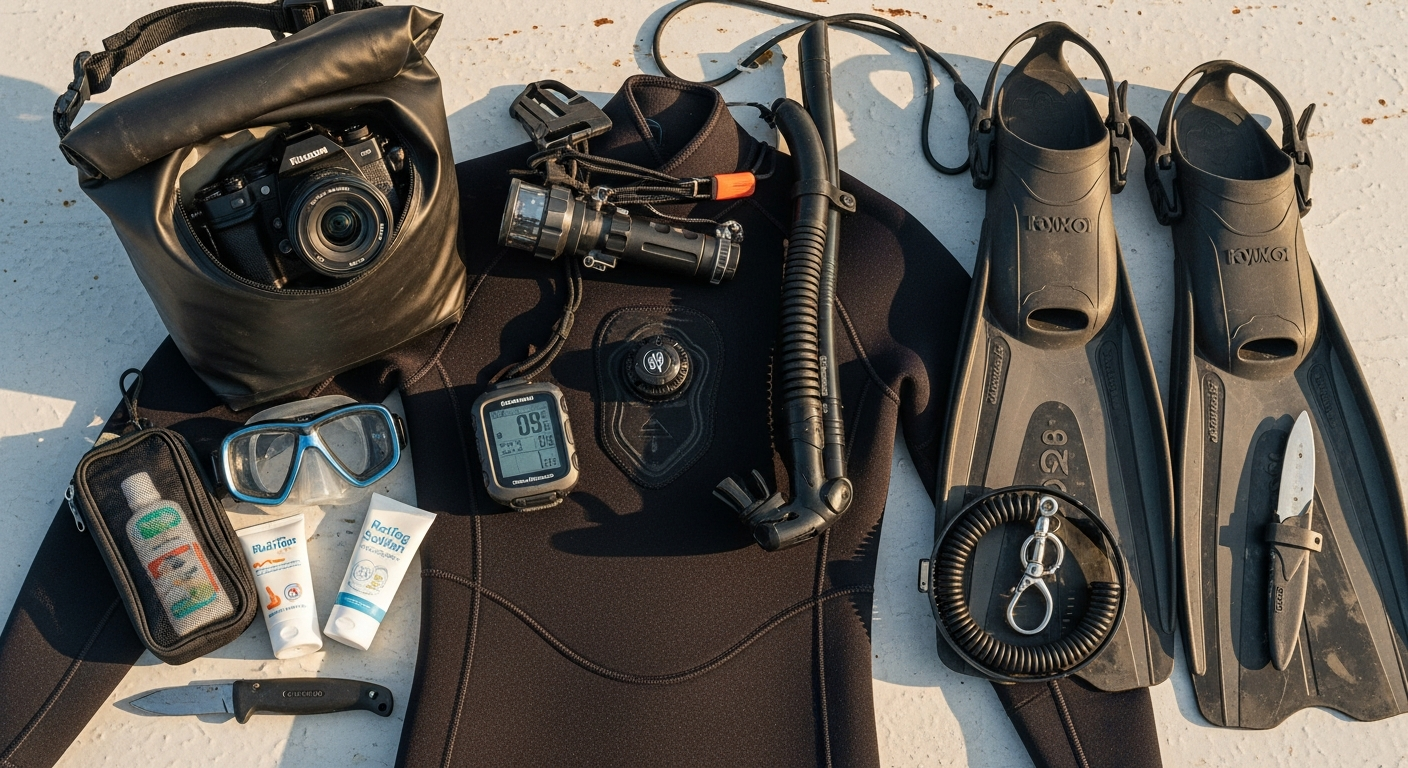
    In the dynamic underwater landscape of Komodo, dive electronics play a crucial role in ensuring safety and enhancing the diving experience. A reliable dive computer is indispensable, allowing divers to monitor their depth, bottom time, and decompression status accurately. This is particularly important when navigating the multi-level dive sites and variable currents of Komodo.

    Underwater cameras are another popular accessory, enabling divers to capture the lively marine life in Komodo’s waters. When selecting a camera, consider the depth rating and ease of use, as well as accessories like red filters or lights to improve image quality in low-light conditions. Additionally, having a dive torch is essential for exploring overhangs, caves, and during night dives, providing the necessary illumination to appreciate the underwater world.

    Clothing and Accessories for Surface Intervals and Land Excursions

    While diving is the main attraction, surface intervals and planned land excursions with Spice Islands Diving also require specific clothing and accessories. The weather in Komodo can be hot and humid, especially between April and October, so lightweight, breathable clothing is recommended. Materials like cotton or moisture-wicking fabrics help to keep you cool and comfortable.

    Sun protection is vital; bring a wide-brimmed hat, polarized sunglasses, and reef-safe sunscreen to protect against the intense equatorial sun. For exploring the beautiful beaches such as those at Natsepa or Liang, pack a pair of sturdy sandals or casual shoes. Additionally, a light rain jacket or windbreaker is useful during the rainy months, especially for boat transfers or unexpected weather changes.

    Health and Safety Essentials: First-Aid Kits and Medications

    Health and safety should never be overlooked when packing for a dive trip. A basic first-aid kit tailored to diving needs can be invaluable. Include waterproof bandages, antiseptic wipes, and treatments for minor injuries or stings. If you have known allergies or medical conditions, ensure you have the necessary medications, along with a note from your doctor explaining their use.

    Motion sickness is common during boat rides, particularly in choppy waters, so packing sea sickness tablets can help ensure you remain comfortable and able to enjoy your dives. It’s also wise to bring insect repellent when planning excursions to islands where mosquitos may be prevalent. Lastly, hydrating frequently is vital, so a reusable water bottle will be beneficial to have on hand.

    Booking and Travel Details with Spice Islands Diving

    Spice Islands Diving offers a range of packages to suit various schedules and diving preferences. Their 5-night package, starting at $1,553 per person, includes 10 day-dives, a blackwater dive, and luxurious accommodation in a seafront villa. This package is available from December 1, 2026, to March 1, 2027. Alternatively, the 3-night package is priced at $977.68, offering seven day-dives and is available for travel throughout 2026.

    These packages also include cultural excursions to historic and scenic sites like Amsterdam Fort and Lubang Buaya Beach, adding a unique dimension to your diving holiday. When packing, be sure to include gear that will enhance both your diving and land-based experiences.

    FAQs

    Q? What is the best time to dive in Komodo? A: The best time to dive in Komodo is during the dry season, which runs from April to November. During this period, divers can enjoy excellent visibility and calmer sea conditions, although the currents remain strong and should always be respected.

    Q? Do I need special insurance for diving in Komodo? A: Yes, having dive-specific insurance is highly recommended when diving in Komodo. This ensures coverage for any diving-related incidents, including emergency evacuations which can be costly. Check that your policy covers diving at significant depths and in strong currents.

    Q? Can I rent dive gear in Komodo? A: While renting dive gear is possible in Komodo, many divers prefer to bring their own equipment to ensure comfort and compatibility with their needs. If renting, confirm the quality and maintenance of the gear with your dive operator.


    For wider arrangements, our partner komodoboatcharter can coordinate end to end.

    Planning something bigger across Indonesia? For premium coordination visit labuanbajoluxury.

    Explore all spiceislandsdiving.com options and plan your trip.

    See also: Komodo vs. Raja Ampat: Which Diving Destination Offers Better Visibility and Manta Encounters in 2027?.

  • Komodo vs. Raja Ampat: Which Diving Destination Offers Better Visibility and Manta Encounters i

    Komodo vs. Raja Ampat: Which Diving Destination Offers Better Visibility and Manta Encounters in 2027?
    Komodo vs. Raja Ampat: Which Diving Destination Offers Better Visibility and Manta Encounters in 2027?

    Key Takeaways

    • Komodo offers excellent visibility year-round, while Raja Ampat peaks during October to April for clearer waters.
    • Manta encounters are more frequent in Raja Ampat during the November to April period, enhancing dive experiences.
    • Spice Island Divers offers a 5-night package with 11 dives and a luxurious seafront villa stay.
    • The 3-night package at Spice Island Divers offers discounted rates, ideal for budget-conscious divers seeking shorter trips.

    When deciding between Komodo and Raja Ampat for your 2027 diving adventure, consider that Komodo often offers better visibility whereas Raja Ampat is renowned for more frequent manta ray encounters. Both destinations provide unique marine experiences, but your choice may ultimately depend on whether you prioritize clear waters or lively marine life.

    Understanding Diving Conditions: Komodo vs. Raja Ampat

    Komodo National Park, located in Indonesia, is famous for its crystal-clear waters, often boasting visibility of up to 30 meters or more. This excellent visibility provides divers with a clear view of the marine landscapes, including coral gardens, walls, and the diverse sea life that inhabits them. The best time to dive in Komodo for optimal visibility is during the dry season, from April to December, when the weather is typically more stable. Conditions during these months are ideal for exploring sites like Batu Bolong and Castle Rock, which are teeming with marine life.

    In contrast, Raja Ampat, situated in the heart of the Coral Triangle, offers a different diving experience. Although the visibility in Raja Ampat can sometimes be less than that of Komodo, ranging from 10 to 25 meters, its biodiversity is unparalleled. The nutrient-rich waters may reduce visibility slightly, but they support a vast array of marine life, making every dive an exploration of one of the richest marine environments on the planet. The optimal diving season in Raja Ampat runs from October to April, when seas are calm, and the chance of rain is lower. Key dive sites like Misool and the Fam Islands are particularly lively during this period.

    Manta Ray Encounters in Komodo and Raja Ampat

    Manta rays are one of the major attractions for divers visiting Komodo and Raja Ampat. In Komodo, manta ray sightings are frequent at locations such as Manta Point and Mawan Island. These grand creatures are often seen gliding through the water gracefully, especially during the plankton bloom periods around December to February, when they gather to feed. During this time, divers can expect to see groups of manta rays swimming in synchronization, making for an memorable sight.

    Raja Ampat offers exceptional manta encounters as well. The Dampier Strait, in particular, is a hotspot for manta rays, with the cleaning stations at Manta Sandy and Blue Magic being prime locations for sightings. Raja Ampat’s mantas are found year-round, but divers have reported peak sightings between November and April. The combination of nutrient-rich waters and coral reefs makes Raja Ampat a favored habitat for these gentle giants. Large congregations of mantas are often seen feeding around the island of Arborek during these months.

    Comparing Marine Biodiversity

    Both Komodo and Raja Ampat boast extraordinary marine biodiversity, but they offer different experiences. Komodo is celebrated for its variety of macro life, lively coral reefs, and pelagic species, including sharks and turtles. The currents in Komodo, while challenging, bring nutrient-rich waters that support a robust marine ecosystem. Dive sites like Cannibal Rock are renowned for their lively soft corals and dense fish life.

    Raja Ampat, on the other hand, is acknowledged as one of the most biodiverse marine areas on Earth. It is estimated that over 1,500 species of fish and 600 species of coral can be found in its waters. The abundance of life here is due to its location within the Coral Triangle, making it an ultimate destination for divers interested in observing a wide variety of marine species in a single dive. Sites like The Passage and Cape Kri are famous for their dense schools of fish, including barracudas, trevallies, and snappers.

    Accessibility and Travel Logistics

    Accessing these remote diving locations requires careful planning. Komodo can be reached via Labuan Bajo on Flores Island, which has a domestic airport connected to major Indonesian cities such as Bali and Jakarta. From Labuan Bajo, divers typically take a liveaboard or a day trip boat to reach the dive sites within Komodo National Park. The journey to sites like Rinca Island, where Komodo dragons can also be seen, adds an extra element of adventure to the trip.

    Raja Ampat is accessed through Sorong, a city in West Papua. Flights to Sorong are available from Jakarta and Makassar. Once in Sorong, travelers take a ferry or a speedboat to Waisai, the access point to Raja Ampat. While the journey can be lengthy and complex, the experience of diving in these rich waters is well worth the effort. Visitors can also explore the local Papuan culture and visit the beautiful karst islands around Kabui Bay.

    Cost Considerations for Diving Trips

    The cost of diving in Komodo and Raja Ampat varies, with Komodo generally being more budget-friendly. A typical liveaboard trip in Komodo ranges from $1,000 to $2,500, depending on the duration and luxury level. Day trips are also available for those staying in local accommodations, costing around $100 to $150 per dive. Accommodations in Labuan Bajo range from budget hostels to luxury hotels, catering to different budgets.

    Raja Ampat, known for its remote location, tends to be more expensive. Liveaboard trips can range from $1,500 to over $4,000. The higher cost is often justified by the unparalleled biodiversity and the experience of diving in one of the world’s top dive destinations. Day trips from local resorts can cost between $150 and $200 per dive, reflecting the exceptional diving conditions. Accommodation options in Raja Ampat include eco-friendly resorts and homestays run by the local community.

    Choosing the Best Time to Dive

    The choice of when to dive in Komodo or Raja Ampat can substantially affect your experience. Komodo’s dry season from April to December provides calmer waters and excellent visibility, ideal for divers looking to see vast underwater landscapes clearly. This period coincides with the blooming season of the island’s famous pink beaches, adding a unique attraction for tourists.

    Raja Ampat’s diving season is best from October to April, with November to February being particularly favorable for manta ray encounters. The region’s climate during these months is characterized by calmer seas and less rainfall, though divers should be prepared for occasional showers. This time is also ideal for visiting the Pianemo viewpoint for remarkable views of the surrounding islands.

    Exploring with Spice Island Divers in Ambon

    Spice Island Divers, located in Ambon, Indonesia, offers an exceptional diving experience, particularly known for its notable muck diving. Ambon is a notable in the diving world, providing unique opportunities to see rare and unusual marine creatures. The diving conditions in Ambon are generally calm, with visibility ranging from 15 to 30 meters, making it an excellent destination for underwater photographers.

    A 5-night trip package with Spice Island Divers starts at $1,553 per person based on double occupancy. This package includes 10 day-dives, one blackwater-dive experience, a 1-hour massage, and stays in a seafront villa. These villas provide striking views and a relaxing post-dive environment, with prices for a 5-night trip in November 2027 set at $1,706 per person.

    For those with a shorter duration, a 3-night package offering 7 day-dives is priced at $977.68 per person (originally $1,111). Both the 5-night and 3-night packages include tours to local attractions such as Amsterdam Fort, Lubang Buaya Beach, Liang Beach, and Natsepa Beach. The 5-night packages are available from December 1, 2026, to March 1, 2027, while the 3-night package travel dates extend from January 1, 2026, to December 31, 2026, with bookings required by the end of December 2026.

    FAQs

    Q? Which destination offers better visibility, Komodo or Raja Ampat? A: Komodo typically provides better visibility, often exceeding 30 meters, particularly in the dry season from April to December. Raja Ampat, while slightly lower in visibility (10-25 meters), compensates with incredible biodiversity.

    Q? When is the best time to see manta rays in Komodo and Raja Ampat? A: In Komodo, manta rays are most commonly seen from December to February during the plankton bloom. Raja Ampat offers year-round manta sightings, with November to April being the peak months for encountering these gentle giants.

    Q? How do the costs of diving in Komodo compare to Raja Ampat? A: Diving in Komodo is generally more affordable, with liveaboard trips ranging from $1,000 to $2,500. Raja Ampat is more costly due to its remote location, with liveaboard trips often exceeding $1,500. However, both destinations offer unique diving experiences worth their respective costs.

    For wider arrangements, our partner komodoboatcharter can coordinate end to end.

    Planning something bigger across Indonesia? For end-to-end service see baliairporttransfer.

    Explore all spiceislandsdiving.com options and plan your trip.

Welcome to Spice Island Diving

Spice Island Diving offers exceptional underwater experiences in the stunning Caribbean region, renowned for its diverse marine ecosystems and clear waters. Our diving excursions are meticulously designed to showcase the vibrant marine life and the unique underwater landscapes surrounding the islands. From the kaleidoscope of colours found on coral reefs to the intriguing history of shipwrecks, our guided tours provide an unforgettable journey beneath the waves.

Our base in the picturesque Spice Islands allows us to provide diving opportunities that cater to various levels, from beginners to seasoned divers. Our expert team, with years of experience, ensures you have a safe and exhilarating experience, guiding you to some of the most renowned dive sites in the area. Join us to explore the underwater world with an level of guidance and support.

Why Choose Spice Island Diving?

Our Diving Services

We offer a comprehensive range of diving services designed to meet the diverse needs of our guests. 're a novice eager to take your first plunge or an experienced diver seeking a new challenge, our team is here to guide you every step of the way. Our services include introductory dives, certification courses, and advanced diving adventures.

Our introductory dives are perfect for newcomers, providing a safe and supportive environment to discover the wonders of scuba diving. These sessions start with a briefing on safety and equipment, followed by a shallow water dive to ensure comfort and confidence. For those looking to enhance their skills, our certification courses offer comprehensive training with experienced instructors, following internationally recognised standards. These courses cover essential skills and knowledge, from basic open water certification to advanced navigation and deep diving techniques.

Advanced divers can enjoy our specialised tours, exploring deeper waters and more challenging sites. Options include technical diving courses and night dives, where you can observe nocturnal marine life in action. Our team is equipped to provide guidance on advanced dive planning and execution, ensuring a safe and thrilling experience.

Destinations and Highlights

Our dive destinations are carefully selected to provide the best possible experience for our guests. Each site offers its own unique charm, from the artistic sculptures at Moliniere to the awe-inspiring wreck of the Bianca C. Our knowledgeable guides will enhance your exploration with insights into the history and ecology of each location, ensuring a rich and informative diving adventure.

What to Expect

When you choose Spice Island Diving, you can expect a well-organised and memorable diving experience. Our process begins with a thorough orientation to ensure all divers are comfortable with the equipment and aware of safety protocols. We provide all necessary gear, including wetsuits, tanks, and fins, allowing you to focus on enjoying your dive.

Our trips are designed to maximise your time in the water, with convenient scheduling that allows you to make the most of your day. 're diving in the morning light or exploring the depths in the afternoon, our team is dedicated to providing a safe and enjoyable experience. We offer flexible itineraries to accommodate your preferences and ensure optimal conditions for each dive.

FAQ

What is the best time of year to dive with Spice Island Diving?

The best time to dive is during the dry season, from December to May, when water visibility is at its peak, often exceeding 30 metres. The calm seas and warm temperatures create ideal conditions for exploring the underwater world.

Do I need previous diving experience to join your tours?

No previous experience is required. We offer introductory courses for beginners and more advanced options for experienced divers. Our instructors provide comprehensive training and support, ensuring a comfortable and enjoyable experience for all participants.

Are there age restrictions for diving?

Participants must be at least 10 years old to join our diving courses, with parental consent required for minors. Our courses are designed to accommodate young divers, with a focus on safety and education.

What should I bring with me for a diving trip?

We recommend bringing a towel, swimwear, sunscreen, and a reusable water bottle. All diving equipment is provided, and our team will ensure you have everything you need for a successful and enjoyable dive.

How do I book a diving adventure with your team?

Booking can be done through our website or by contacting our team directly via phone or email. Our staff is available to assist with any questions or special requests, ensuring a booking process and a personalised diving experience.